
An AI project by Tony Rosen.
Why the neuron next door survives
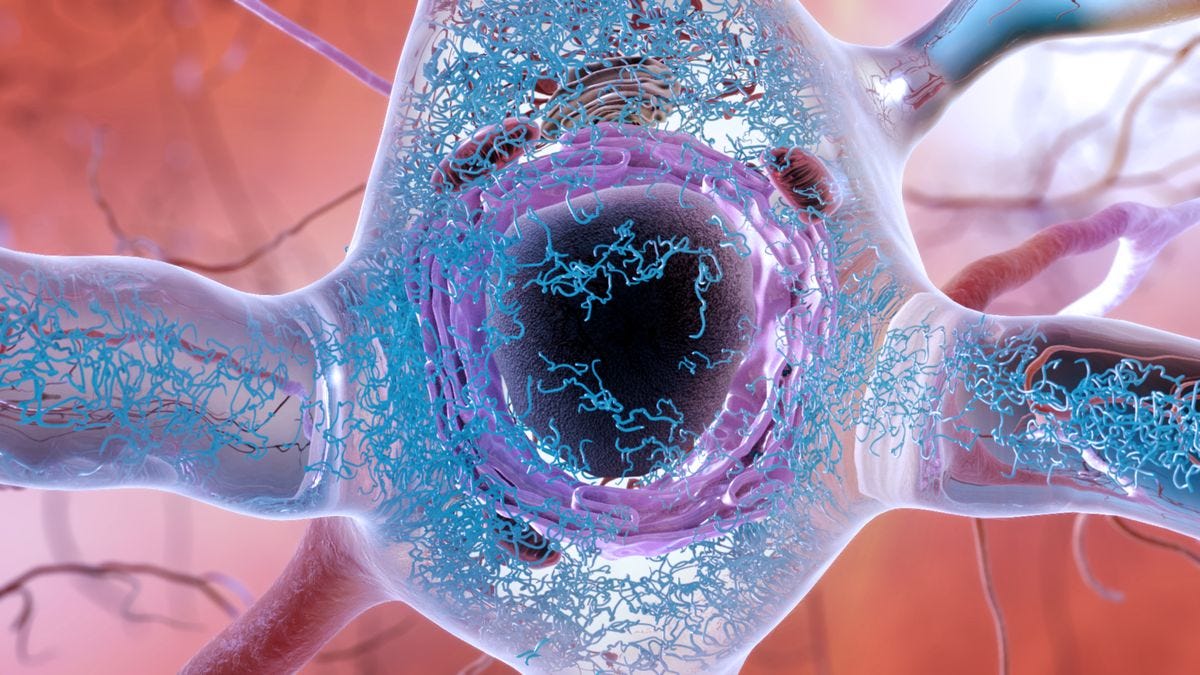
Some neurons may survive Alzheimer’s because they’re better at taking out the trash.
Alois Alzheimer first described the tangles in 1906. The puzzle came later: one neuron full of them, and next door, one that looked healthy. The tangles are made of tau, a protein that normally holds a neuron’s scaffolding together. Why it wrecks one cell and spares the next was never explained.
Martin Kampmann’s team went looking the patient way. At the University of California, San Francisco (UCSF), with the University of California, Los Angeles (UCLA), they grew human neurons in a dish and switched off each of 20,000 genes, one at a time. More than 1,000 affected tau. One stood out: CRL5–SOCS4, a protein complex that tags tau for disposal before it can clump. In brains donated by people with Alzheimer’s, neurons with more of it were likelier to still be standing.
Most treatments try to haul away what builds up. This asks why some cells cope, and whether the rest could be helped to.
No drug can boost the complex yet; finding one, and testing it in people, is the next step. A century on, the healthy neuron next door has the start of an explanation.
Gist: Neurons rich in a protein complex called CRL5–SOCS4 clear tau, the protein behind Alzheimer’s tangles, and were likelier to survive.
Evidence: Human neurons grown in a dish, plus donated brains. Not yet in living people.
Origin: Martin Kampmann’s lab at the University of California, San Francisco (UCSF), with UCLA. Cell, 2026.
Is tau the same as the plaques I keep hearing about? No. Plaques are made of a different protein, amyloid, and they build up between neurons. Tau tangles form inside them. Alzheimer’s involves both.
How did they find it? With CRISPR, a gene-editing tool, they switched off each of 20,000 genes in the neurons, one at a time, and watched what happened to tau. More than 1,000 genes made a difference; CRL5–SOCS4 stood out.
Why does it matter, then? It explains why damage spreads unevenly, and it points researchers toward resilience, meaning what protects some cells, instead of only damage.
Who was Alois Alzheimer? A German psychiatrist who, in 1906, described the plaques and tangles in the brain of his patient Auguste Deter. His lecture on it stirred little interest at the time. The name came from his boss, Emil Kraepelin, who put “Alzheimer’s disease” into a 1910 psychiatry textbook. So one of the most famous names in medicine was, in effect, a gift from the boss.
Want to dig in? UCSF’s write-up is the clearest version. The paper is in Cell. For the 1906 story, “The discovery of Alzheimer’s disease“ in Dialogues in Clinical Neuroscience.
The brain may be running short of lithium
Brains with Alzheimer’s hold less lithium than healthy ones, and in mice, putting it back reversed the damage and restored memory.
Bruce Yankner’s team at Harvard Medical School measured about 30 metals in donated brain tissue. Only lithium dropped, and early: in people with mild memory problems who didn’t yet have dementia.
Lithium is better known for powering phones and steadying moods. But every brain carries a natural trace of it, from food and water. In the mice, that trace did quiet, useful work: it helped microglia, the brain’s immune cells, clear amyloid, and held back an enzyme that drives tau tangles. Amyloid plaques soaked it up, leaving less for the job.
The form of lithium mattered. The prescription kind, lithium carbonate, got trapped too. The supplement kind, lithium orotate, slipped past and worked at about a thousandth of a psychiatric dose.
Mouse results often fail in people, so it’s no reason to start a supplement. The first test of lithium orotate in people, a small Johns Hopkins safety trial, is registered. It won’t show whether lithium works, only whether a low dose reaches the brain safely: the question every larger trial waits on.
Gist: Brains with Alzheimer’s run low on lithium, and plaques soak up what’s left. In mice, a supplement form, lithium orotate, topped it back up and reversed the damage.
Origin: Bruce Yankner’s lab at Harvard Medical School. Nature, August 2025.
State change: A first small safety study in people is registered. Nothing changes today, and it’s no reason to start a supplement.
Why do mouse results so often fail in people? Lab mice don’t develop Alzheimer’s on their own. They carry human genes from rare inherited forms of the disease, live two to three years, and get precise doses in controlled conditions. The human disease is slower, messier, and different in every person.
What would change the picture? Trials in people. The first for lithium orotate is the Johns Hopkins safety study, registered on ClinicalTrials.gov. It runs nine weeks, in people with early Alzheimer’s, and tests whether a low dose safely reaches the brain. It won’t show whether it works; it’s the step that has to come first. Its results will be in this newsletter when they arrive.
Want to dig in? Harvard’s feature tells the story. The paper is in Nature.
The Roundup
Repairs, so far in mice
Mice with advanced Alzheimer’s-like disease got their memory back when their brains’ energy supply was put right. Researchers at Case Western Reserve University used P7C3-A20, an experimental drug that keeps NAD+, a molecule every cell needs to make energy, in its normal range under stress. It isn’t an NAD+ supplement, and it hasn’t been tried in people with Alzheimer’s.
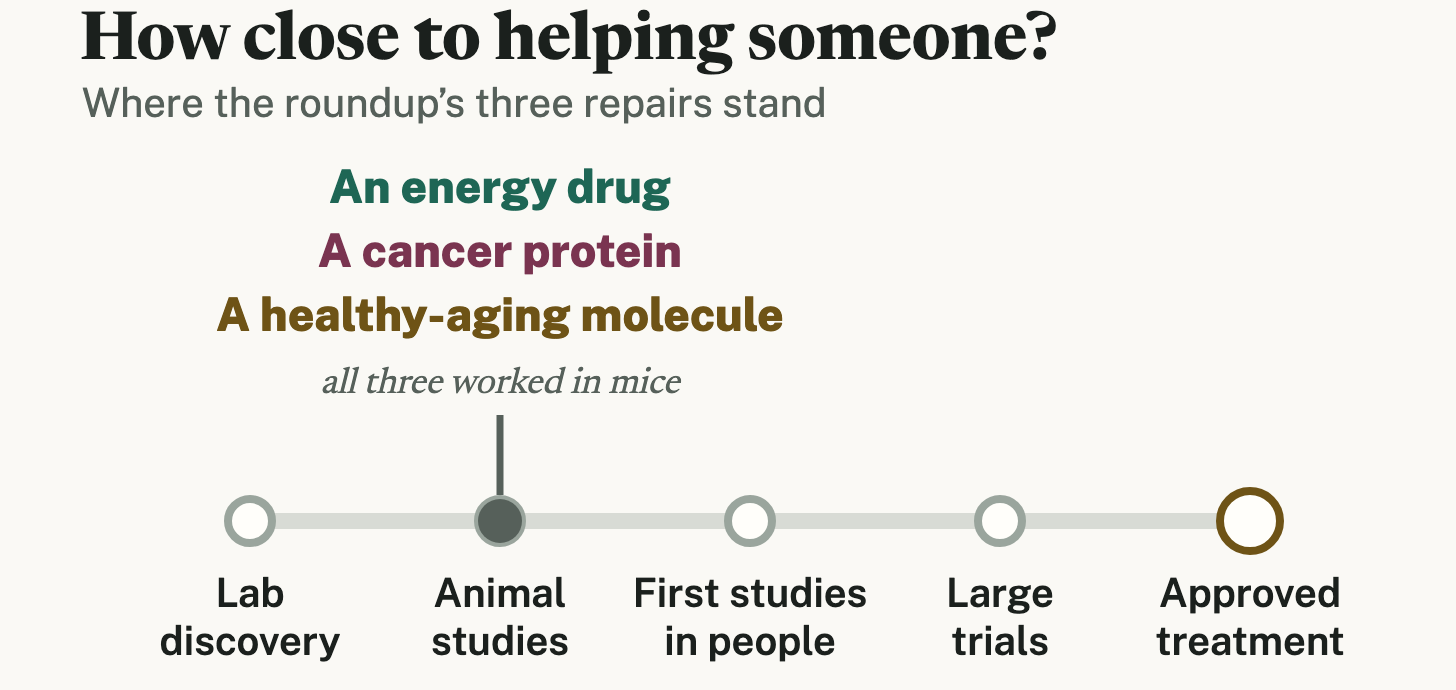
People who’ve had cancer tend to be less likely to develop Alzheimer’s, and mice may have shown why. Tumors transplanted into mice released a protein called cystatin C that crossed into the brain and switched on the brain’s immune cells to break down plaques. The interest is in the protein, not the cancer.
A molecule studied for healthy aging repaired memory connections in mice, more strongly in females. Calcium alpha-ketoglutarate restored the connections memory depends on in mice with Alzheimer’s-like disease.
Risk, measured in people
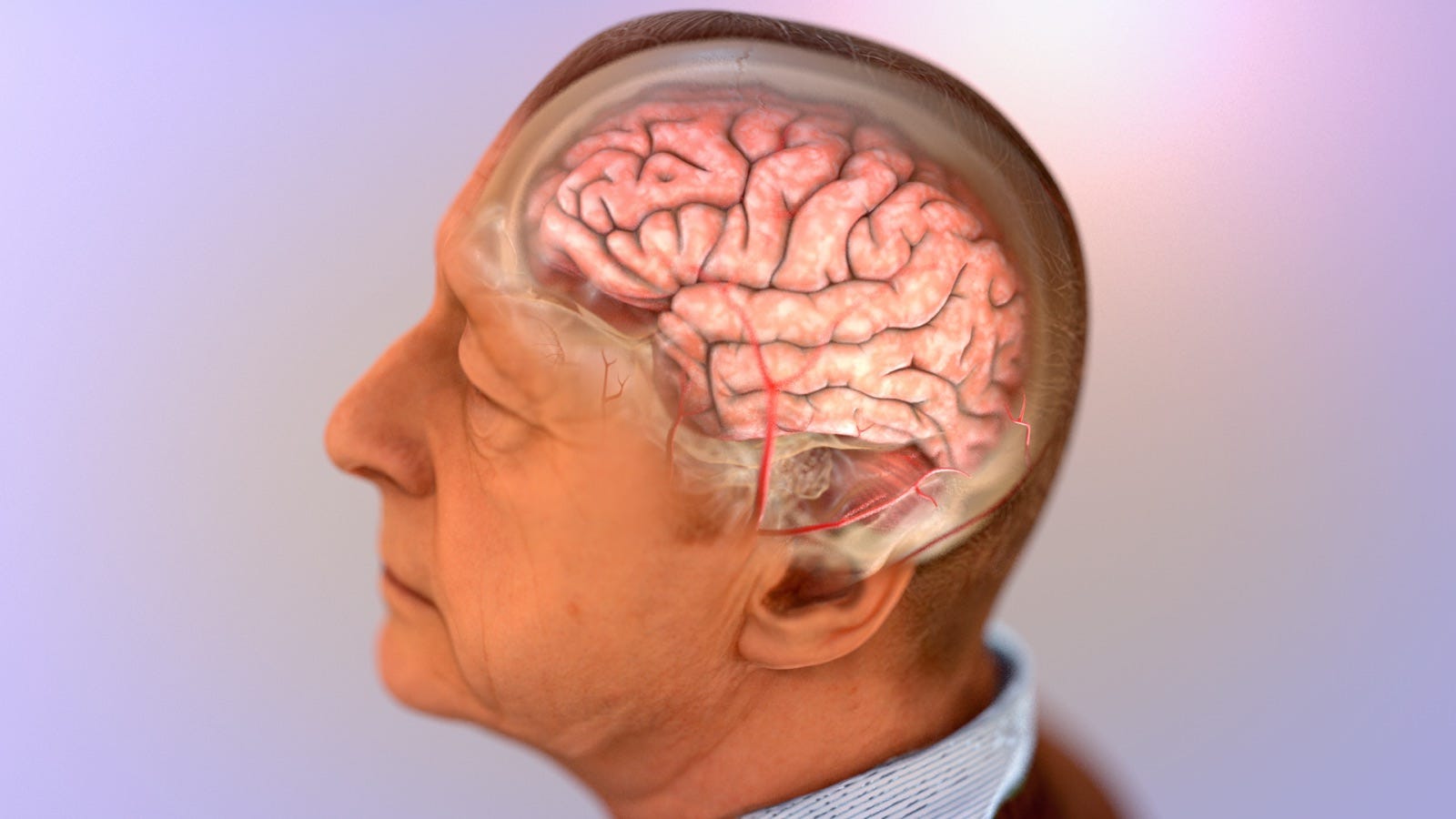
Extra body weight raises the risk of vascular dementia by roughly 50 to 60 percent, mostly through blood pressure. A genetic study of people in Denmark and the UK, built to separate cause from coincidence, found the effect runs largely through blood pressure, which is the part medicine can already treat.
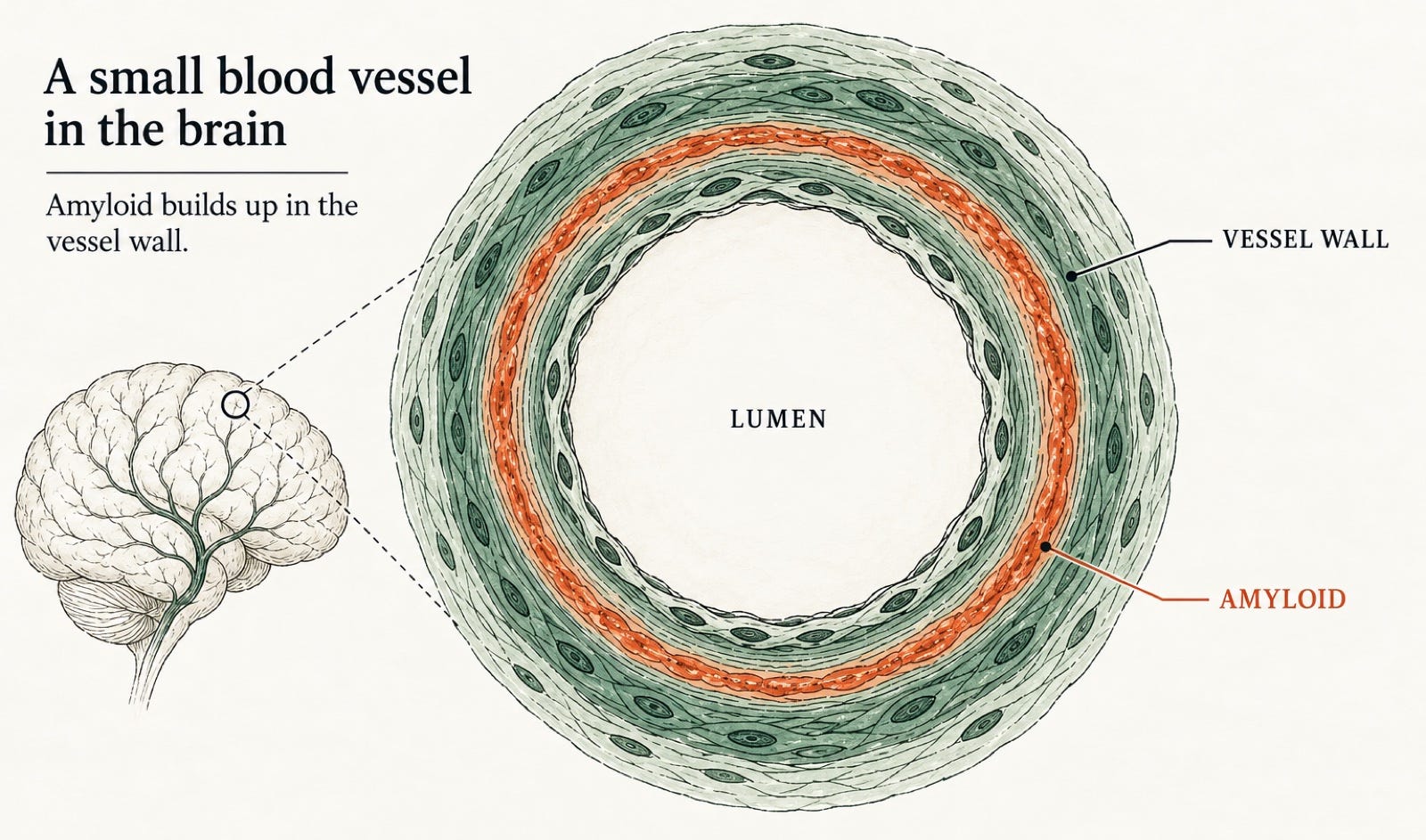
Amyloid in the walls of the brain’s blood vessels was linked to about 4 times the dementia rate within five years. The condition, cerebral amyloid angiopathy, was tracked in insurance records covering nearly 2 million Americans. It’s a conference presentation, not yet peer-reviewed.
The weakest daily rhythms came with about 2.5 times the dementia risk. Older adults wore a chest heart monitor for about 12 days. Those whose rest-and-activity cycles were weakest had about 2.5 times the risk of those with the strongest; a peak later in the afternoon came with about 45 percent more.
The most severe stage of chronic traumatic encephalopathy (CTE) came with 4.5 times the dementia risk. Among 614 donated brains, stage III was linked too, but the mildest stages of this damage from repeated head impacts showed no measurable link, which matters as much as the headline number.
Who’s protected, how we’ll test, who pays
Super agers were 68 percent less likely than people with Alzheimer’s to carry APOE4, the best-known Alzheimer’s risk gene. People over 80 with the memory of someone decades younger were also more likely to carry APOE2, a version that appears protective.
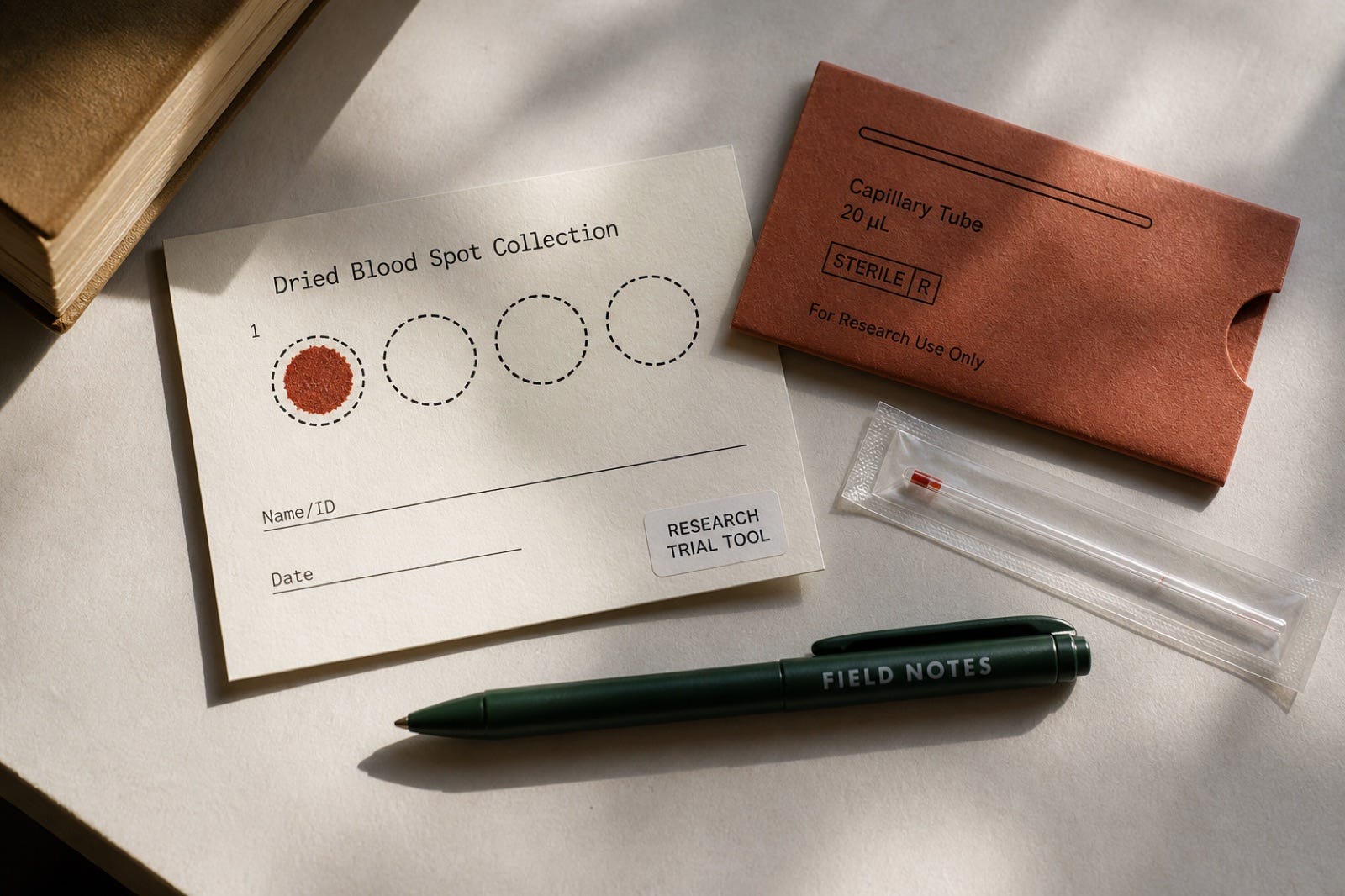
A finger-prick blood sample, mailed without refrigeration, tracked a standard blood draw closely, though it was less accurate: 86 percent against 98. It measured p-tau217, a protein marker of Alzheimer’s, across 337 people in seven European centers. A research tool for now, not a kit you can order.
Dementia research got a raise. Congress added $100 million for Alzheimer’s and dementia research at the National Institutes of Health (NIH), bringing the annual total to $3.9 billion. The Alzheimer’s Association’s Part the Cloud put $11 million into new treatment ideas.
Spotted in the Wild
Carnivore ice cream, 1.8 million views. Steak and Butter Gal, a YouTuber with 770,000 subscribers, whips egg yolks into heavy cream in “EASIEST Carnivore Ice Cream EVER (2 Ingredients)”. If the yolks aren’t cooked, the advice of the Food and Drug Administration (FDA) applies: homemade ice cream made with raw eggs has caused Salmonella outbreaks, which can be life-threatening for older people.
The safer version keeps the same two ingredients:
Use pasteurized heavy cream, never raw.
Use pasteurized eggs, or cook the base: stir the yolks into the cream over low heat until it reaches 160°F on a kitchen thermometer, the temperature the FDA points to for egg-based ice cream.
Chill it completely, then whip and freeze it the way the video does.
Worth a listen. NPR’s Short Wave, “Some people’s brains resist Alzheimer’s disease and dementia”, on what 25 years of Northwestern’s SuperAging Program has learned about people in their 80s who remember like someone in their 50s or 60s.
“Find out your brain age.” Online brain-age quizzes aren’t validated for diagnosing anything. If memory or everyday functioning is really changing, a clinical assessment is worth more than any score.
Worth watching
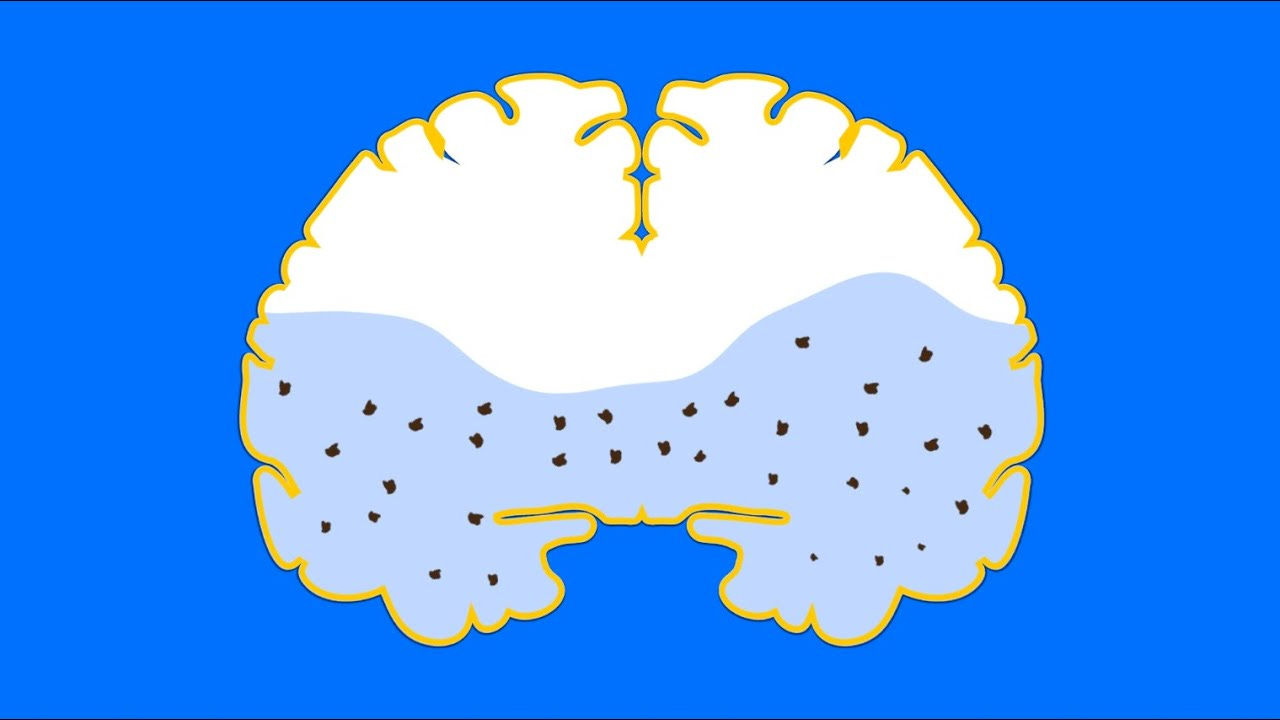
Watch: What Sleep Does to Your Brain
University of Rochester, about a minute. How the brain rinses away waste during sleep, from the lab that discovered it.
Watch: Blood-based biomarkers in Alzheimer’s
What the new blood tests measure, and why they’re for people who already have memory symptoms.
Pulse
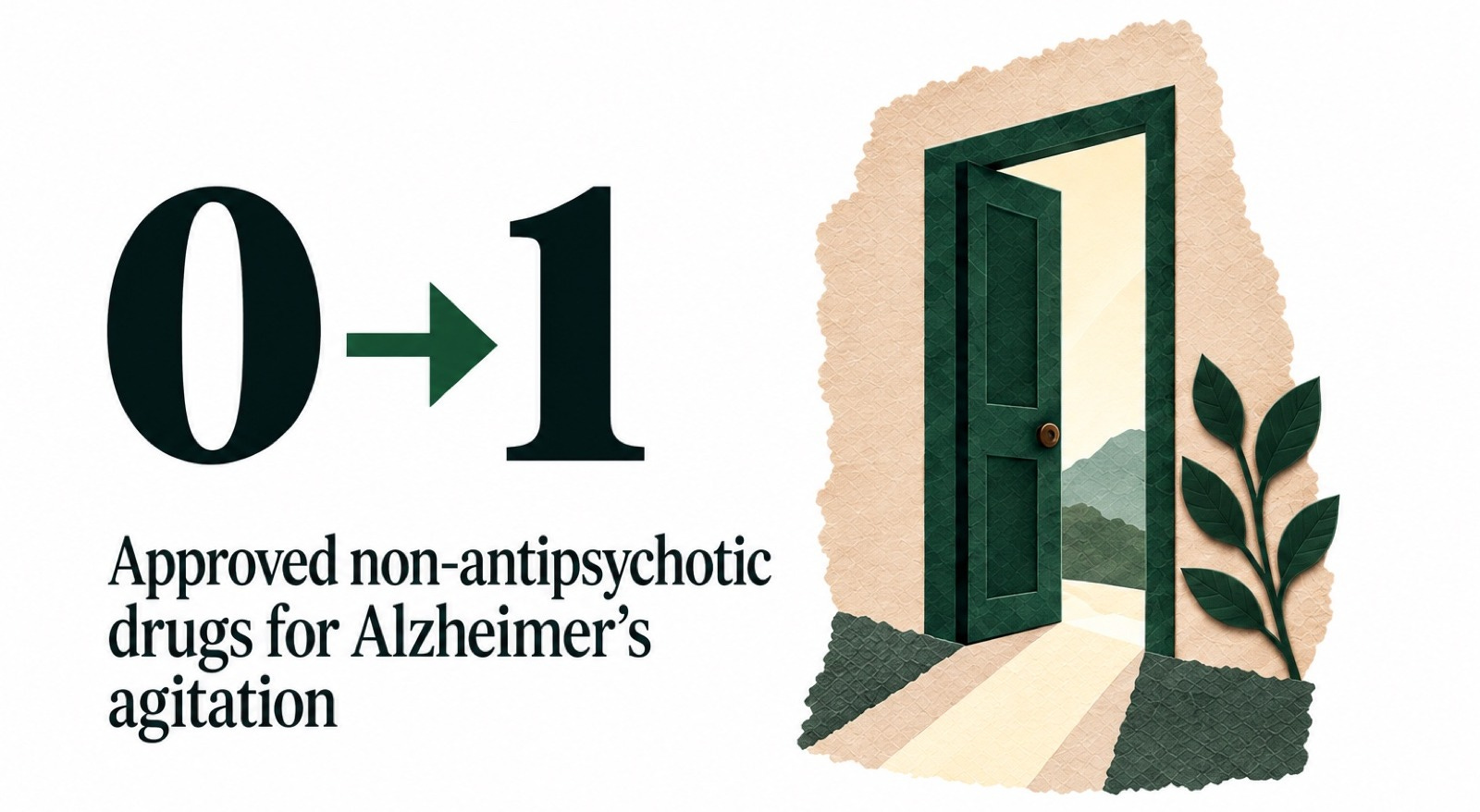
From 0 to 1: approved drugs for Alzheimer’s agitation that aren’t antipsychotics. The FDA approved Auvelity, which pairs two older medicines, dextromethorphan and bupropion, on April 30, 2026. The only earlier approved option is an antipsychotic, a class with the FDA’s strongest warning for older people with dementia.
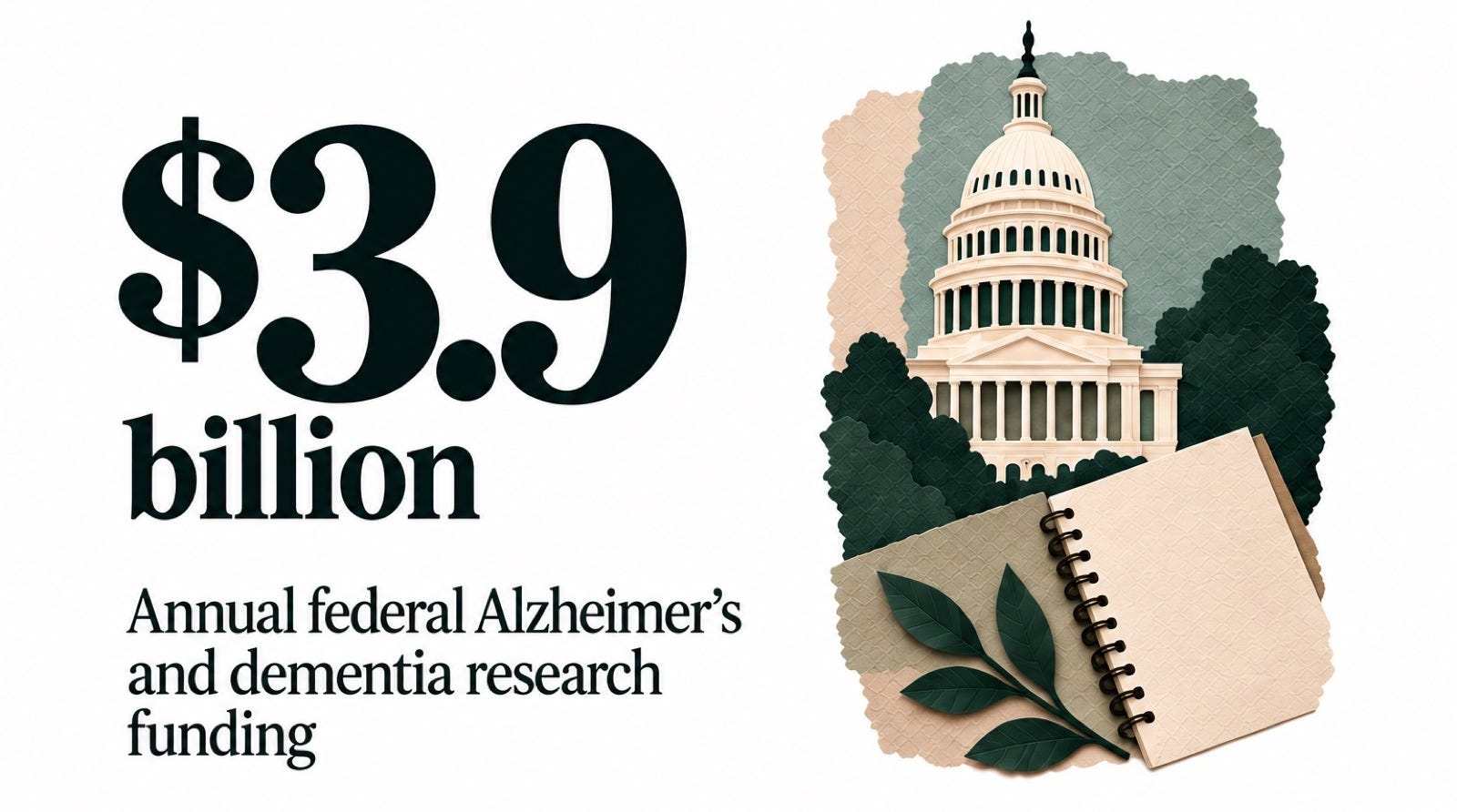
At $3.9 billion a year, federal funding for Alzheimer’s and dementia research is more than seven times what it was in 2011. The latest $100 million raise came in a year when the White House proposed cutting the NIH’s budget by about 40 percent. The Senate wrote in $100 million, the House offered $15 million, and the final law, signed February 3, kept the Senate’s number. The Alzheimer’s Association credits Senators Susan Collins (R-Maine) and Patty Murray (D-Wash.) and Representatives Tom Cole (R-Okla.) and Rosa DeLauro (D-Conn.). Few numbers in this newsletter are set by people families can vote for. This one is, every year.
At 40 flashes a second, a headset of light and sound is still waiting on its verdict. The rhythm is meant to strengthen gamma, a kind of brain wave. Cognito Therapeutics’ HOPE trial in 670 people was expected to report around August, and hasn’t yet.
Trial watch
Three trials worth following, and where each one stands. (A fourth, Auvelity, is now approved: see Pulse.)
Finished, results not yet public: Lilly’s TRAILRUNNER-ALZ 1 study of remternetug, an antibody against amyloid, ended in May 2026. Its main measure is how many people’s plaques clear on a brain scan.
Results overdue: Cognito Therapeutics’ 670-person HOPE trial of a headset that uses flickering light and sound. Results were expected around August 2026 and haven’t been made public.
Results due November 16: AriBio’s trial of more than 1,500 people testing AR1001, an erectile-dysfunction pill being repurposed to slow early Alzheimer’s. The last participant finished in June, and the results will be presented at the Clinical Trials on Alzheimer’s Disease conference in Boston.
Further reading
The two features
This cellular hazmat team cleans up tau (UCSF). The clearest account of the tau study, with the researchers explaining why resilience is the point.
CRISPR screens in iPSC-derived neurons reveal principles of tau proteostasis (Cell, 2026). The paper itself.
An Alzheimer’s breakthrough 10 years in the making (Harvard Gazette, 2026). The feature that put the lithium work back in circulation.
Lithium deficiency and the onset of Alzheimer’s disease (Nature, 2025). The original paper.
Energy
Alzheimer’s reversed in mouse models by restoring NAD+ balance (Case Western Reserve University). Explains P7C3-A20 and why it isn’t an NAD+ supplement. Paper.
A natural aging molecule may help restore memory in Alzheimer’s (ScienceDaily). The calcium alpha-ketoglutarate study. Paper.
Blood vessels and risk
People with obesity may have a higher risk of dementia (Endocrine Society). The genetic study on weight, blood pressure, and vascular dementia. The University of Bristol’s summary explains the method.
Protein buildup in brain blood vessels linked with increased 5-year risk of dementia (American Heart Association).
Changes in circadian rhythms linked to higher dementia risk (UT Southwestern).
NIH-funded study clearly ties risk of dementia to severe CTE (NINDS). Worth reading for what the milder stages didn’t show.
Cleanup and resilience
People who survive cancers are less likely to develop Alzheimer’s. This might be why (Medical Xpress). The cystatin C study. Paper.
Super agers tend to have at least two key genetic advantages (Vanderbilt Health).
Testing and funding
Finger-prick blood test accurately measures Alzheimer’s biomarkers (Alzforum).
The first FDA-cleared blood test for diagnosing Alzheimer’s (review of the Lumipulse test and who it’s for).
Congress renews commitment with a $100 million increase and Part the Cloud grants $11 million (Alzheimer’s Association).
Trial watch
Remternetug (Alzforum’s running record of the TRAILRUNNER trials).
FDA approves first non-antipsychotic drug to treat agitation associated with dementia (FDA). The Auvelity decision.
Polaris-AD (ClinicalTrials.gov). The AR1001 trial’s registration.
Dementia drug trials and regulatory decisions to watch in 2026 (Being Patient).